

As our loved ones age, many families look for ways to provide support that keeps them safe, independent, and comfortable at home. This is where home health care plays a crucial role. While many people assume that home health care is purely medical, it encompasses a wide range of non-medical support services that improve everyday life for seniors.
At Dennis’s Quality Home Care LLC, the focus is on helping seniors live with dignity, safety, and comfort, while ensuring that families have peace of mind. By providing personalized care in the familiar surroundings of home, home health care helps seniors maintain routines, enjoy companionship, and live a more fulfilling life.
In this guide, we will explain what home health care means in the non-medical sense, how it improves seniors’ quality of life, and what services families can expect.
1. Understanding Home Health Care
Home health care is often misunderstood. Some people equate it with nursing or hospital-level care, but in reality, it also includes personal care and supportive services that do not require medical intervention.
The home health meaning in this context focuses on assistance with daily living tasks, companionship, and helping seniors maintain independence. Families searching for what is home health care often want to know how their loved ones can remain safe, active, and engaged while staying at home.
Non-medical home health care improves quality of life for seniors at home by addressing practical needs and emotional well-being, rather than providing medical treatments.
2. Assistance with Daily Living
One of the primary roles of home health care is helping seniors with activities of daily living (ADLs) that may become difficult with age. These include:
- Bathing and personal hygiene
- Dressing and grooming
- Meal preparation and dietary reminders
- Light housekeeping and laundry
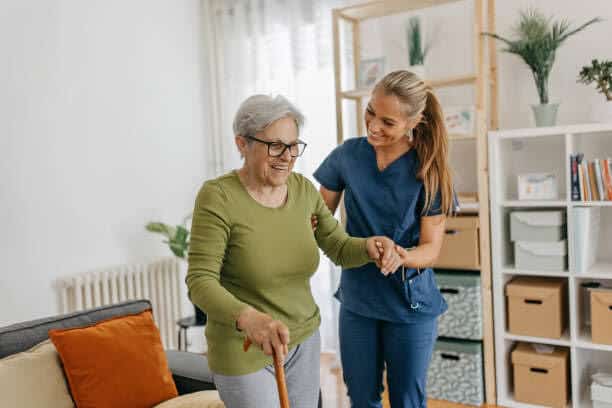
- Mobility support around the home
By offering help with these tasks, home health care ensures that seniors remain comfortable, safe, and independent, without relying entirely on family members for daily assistance.
Services like home care services from providers such as Affinity Home Care or Dennis’s Quality Home Care LLC make a meaningful difference in seniors’ lives by allowing them to maintain their routines.
3. Companionship and Emotional Support
A significant part of home health care is companionship. Loneliness and isolation are common among seniors and can negatively impact mental and emotional health.
Caregivers provide:
- Friendly conversation
- Participation in hobbies and activities
- Support with games, puzzles, and reading
- Encouragement for outdoor walks or social outings
Companionship contributes to a senior’s quality home care experience, helping them feel valued and connected to the world around them.
4. Ensuring Safety at Home
Safety is a key concern for seniors living independently. Home health care providers help reduce risks of accidents by offering support in:
- Walking and mobility assistance
- Fall prevention strategies
- Supervision during tasks such as cooking or bathing
- Emergency preparedness
Families searching for 24 hour home care near me often find reassurance knowing that their loved one has professional support available when needed.
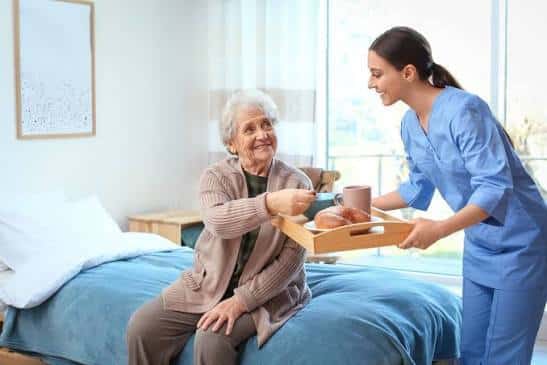
5. Meal Preparation and Nutrition Support
Good nutrition is essential for seniors, but preparing meals can become challenging with age. Home care service providers assist with:
- Planning balanced meals
- Grocery shopping or meal delivery coordination
- Preparing food according to dietary needs
- Encouraging hydration and proper eating routines
This support not only helps seniors maintain their health but also contributes to a positive daily routine, fostering independence and dignity.
6. Helping Seniors Stay Active and Engaged
Staying active physically and mentally is crucial for a senior’s overall well-being. Home health care helps seniors maintain activity by:
- Assisting with light exercises or mobility routines
- Engaging in hobbies, games, or creative activities
- Encouraging safe outdoor activities or community engagement
- Supporting socialization with friends and family
These activities are an important part of home care services in PA, helping seniors live a richer, more fulfilling life.
7. Personalized Care Plans
Every senior has unique needs, preferences, and routines. Non-medical home health care is tailored to these individual circumstances.
Caregivers work closely with families to:
- Create daily schedules that suit the senior’s lifestyle
- Provide assistance only where it is needed
- Adjust support as the senior’s needs change
- Maintain dignity and independence in every interaction
At Dennis’s Quality Home Care LLC, care plans are flexible and personalized to ensure each senior’s comfort and satisfaction.
8. Support for Family Caregivers
Family members often provide care themselves, but balancing caregiving with other responsibilities can be exhausting. Home health care offers support by:
- Sharing responsibilities for daily tasks
- Offering respite for family caregivers
- Reducing stress and preventing caregiver burnout
- Providing professional guidance for senior care
By partnering with a home care network, families can ensure their loved ones receive consistent, compassionate care while retaining their own well-being.
9. Promoting Independence and Confidence
The ultimate goal of home health care is to help seniors remain independent and confident in their daily lives. By assisting with tasks without taking over, caregivers empower seniors to:
- Make their own choices
- Maintain routines and habits
- Participate in hobbies and social events
- Continue living in their familiar home environment
This independence directly impacts quality of life for seniors at home, fostering a sense of control and dignity.
10. The Role of Technology in Modern Home Care
Even in non-medical home care, technology is increasingly enhancing services. Tools such as mobile communication apps, scheduling software, and monitoring systems help:
- Coordinate care visits efficiently
- Keep families informed in real-time
- Track activities and safety alerts
- Maintain records of care provided
While not medical interventions, these innovations improve the reliability and efficiency of home care service providers and enhance the overall experience for seniors.
Conclusion
Home health care in a non-medical sense is about providing support, companionship, and safety for seniors so they can continue living at home with dignity.
At Dennis’s Quality Home Care LLC, the focus is on improving quality of life for seniors at home, ensuring that they remain independent, safe, and engaged in daily activities.
By understanding what home health care does — from assisting with daily living to providing companionship and safety — families can make informed choices and ensure their loved ones receive the support they need to thrive at home.
Non-medical home health care is not about medical treatments; it is about enhancing daily living, promoting independence, and providing peace of mind for both seniors and their families.