
In the last decade, healthcare technology has dramatically transformed the way care is provided, especially for seniors and individuals with chronic conditions. One of the most profound shifts has been in the realm of home care, where advancements in technology are now making it possible for individuals to receive high-quality, personalized medical and non-medical care within the comfort of their homes. With the rise of connected devices, telemedicine, and artificial intelligence (AI), the future of home care services is becoming increasingly sophisticated, efficient, and accessible.
This transformation isn’t just about making care more convenient. It’s about improving the quality of life for seniors at home, enabling them to remain independent, stay healthier, and live with dignity as they age. Through the integration of technology, affinity home care services are being elevated, offering new ways for families and professionals to provide care and support.
In this article, we will explore how future healthcare technology is elevating at-home care, how it benefits seniors, caregivers, and healthcare professionals, and what the future holds for home care services.
1. The Growth of Telemedicine in Home Care
Telemedicine, which allows healthcare providers to diagnose, consult, and treat patients remotely using telecommunications technology, has become an integral part of home care services. Through video calls, remote monitoring tools, and digital communication, seniors can now receive medical consultations without leaving their homes.
The benefits of telemedicine for home care services are immense:
- Improved Access to Care: Telemedicine allows patients who are homebound or live in rural areas to access specialists and healthcare providers who may not be locally available.
- Convenience and Comfort: Seniors can avoid the stress of traveling to a clinic or hospital for routine check-ups, making it easier for them to stick to regular appointments and follow-up care.
- Cost-Effective: Virtual visits often cost less than in-person appointments, saving money for both healthcare systems and patients.
Telemedicine is already enhancing the quality of the home health care landscape by helping seniors receive timely and personalized care without disruption to their daily lives.
2. Remote Monitoring for Chronic Disease Management
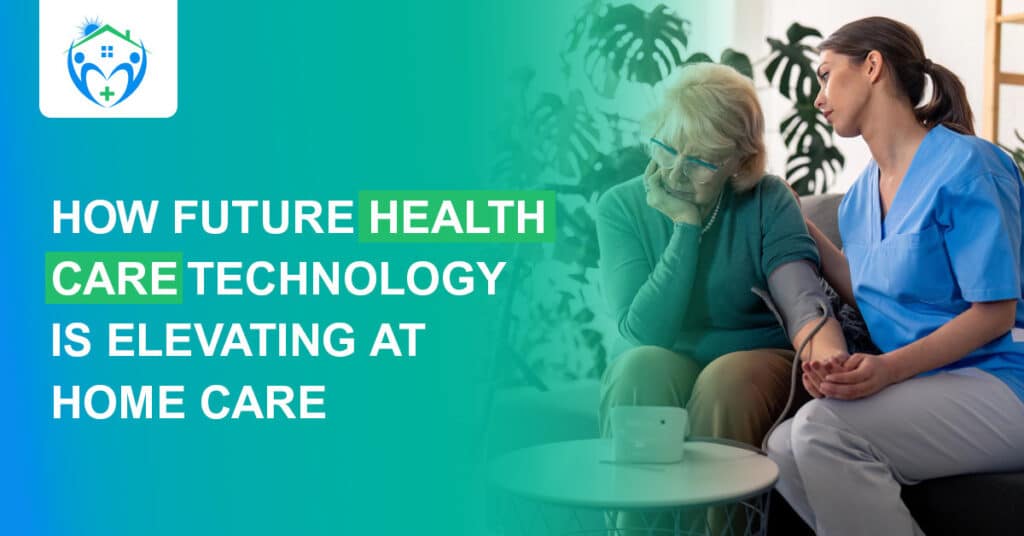
Chronic diseases such as diabetes, heart disease, and hypertension require consistent monitoring and management to prevent complications. Thanks to advancements in healthcare technology, devices such as wearable sensors, smartwatches, and remote health monitoring tools now enable healthcare providers to track patients’ health metrics in real-time.
For instance, blood glucose levels, blood pressure, and heart rate can be measured remotely, and the data is instantly sent to healthcare providers. This continuous monitoring allows caregivers and medical professionals to detect early warning signs of potential health problems, often before the patient feels symptoms.
By integrating these remote monitoring tools into home care services, healthcare providers can intervene proactively, reducing hospital readmissions and improving overall health outcomes for seniors and individuals with chronic conditions. Remote monitoring tools also give patients more control over their own health, improving their engagement with the care process.
3. The Role of Artificial Intelligence (AI) in Home Care
Artificial Intelligence (AI) is rapidly reshaping the home care network, offering new ways to improve patient outcomes, optimize care plans, and enhance communication between caregivers and healthcare professionals. AI-powered tools such as voice assistants, chatbots, and predictive analytics are being integrated into home care services to create more efficient, personalized, and effective care.
AI tools can assist with:
- Personalized Care Plans: AI can analyze data from patient records, health metrics, and other sources to create customized care plans that adapt to the evolving needs of the patient.
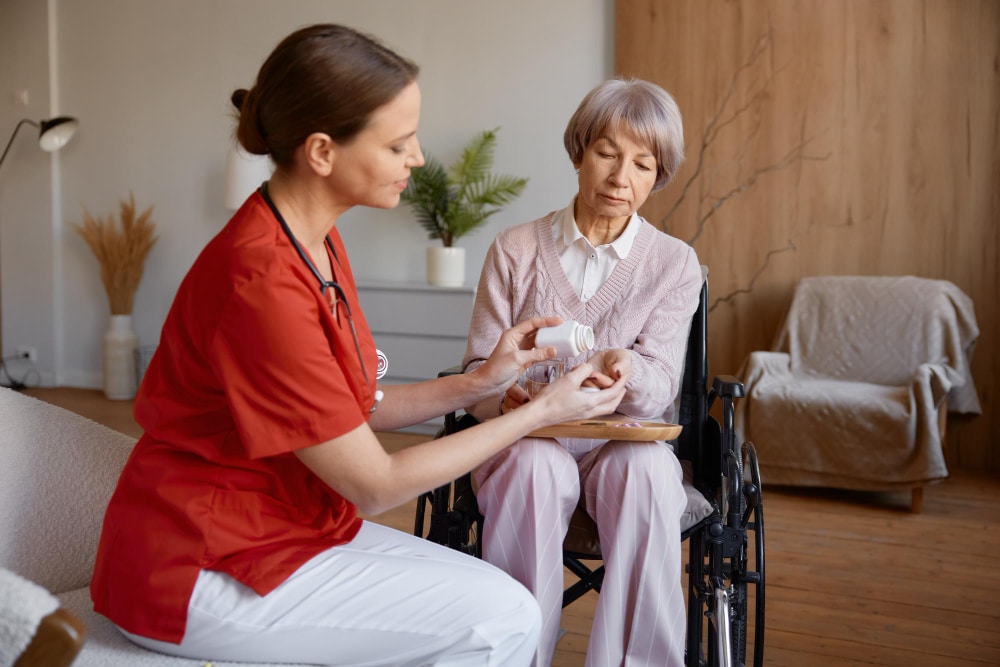
- Medication Management: AI-driven systems can remind patients when it’s time to take their medications, track their adherence, and even send alerts to caregivers or medical professionals if doses are missed.
- Predictive Health Monitoring: AI can analyze patterns in health data to predict potential health issues, allowing caregivers to intervene before conditions worsen.
The integration of AI in quality home health care is not just about improving efficiency; it’s about offering a more holistic approach to care that is adaptive, responsive, and highly personalized.
4. Smart Home Devices Enhancing At-Home Care
One of the most exciting developments in home care is the integration of smart home technology into the care process. Devices like smart thermostats, lights, security cameras, and voice-activated assistants can make homes safer, more comfortable, and easier to navigate for seniors.
For example:
- Smart Sensors: Motion sensors can track if a senior has fallen or is experiencing difficulty moving around. If an issue is detected, the system can alert family members or caregivers immediately.
- Voice Assistants: Voice-controlled devices like Amazon Alexa or Google Assistant can help seniors control their environment by turning on lights, adjusting the temperature, or even making calls to caregivers.
- Home Security and Monitoring: Smart cameras and security systems ensure that seniors are safe at home, while also providing peace of mind for family members.
These technologies are raising the bar for quality home care services, making it possible to manage health and safety remotely and providing seniors with the independence they desire.
5. Digital Health Records and Enhanced Communication
In the past, coordinating care for seniors often involved tracking down paper records, contacting multiple healthcare providers, and dealing with communication gaps. Today, digital health records are streamlining this process, making it easier for everyone involved to access and share patient information.
For instance, quality home health care providers can update and share a senior’s medical history, medication records, and care plans in real time with the entire care team, including doctors, nurses, physical therapists, and family members. This improves communication, reduces errors, and ensures that everyone is on the same page when it comes to the senior’s care.
By improving information flow, digital health records enhance the overall efficiency of home care services and help prevent potential complications by ensuring the right treatments are given at the right time.
6. Robotic Assistance for Physical Care
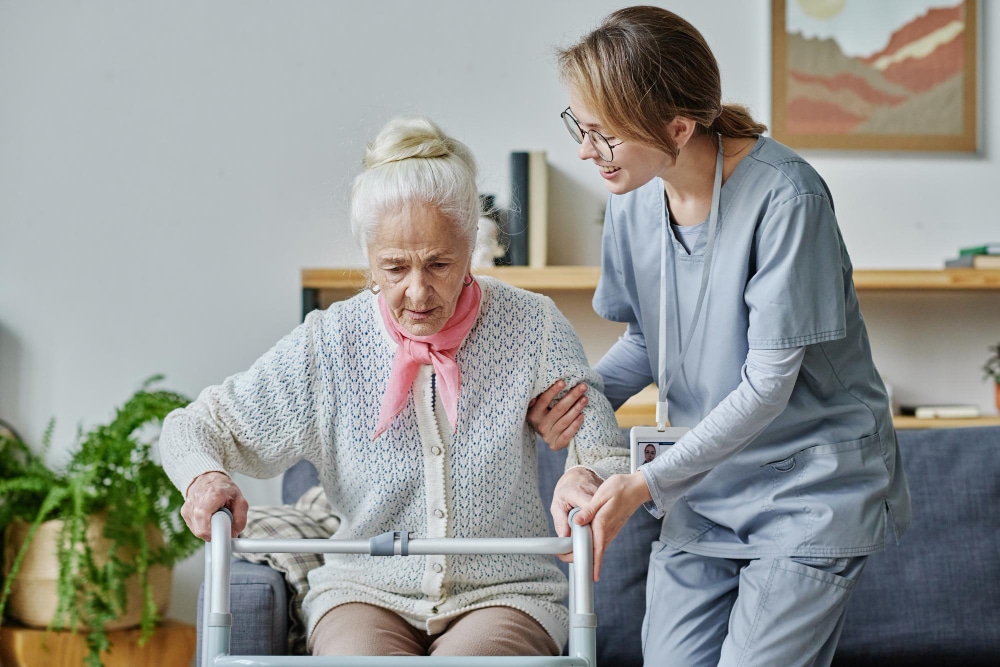
Another exciting development in the field of home care is the use of robots to assist with physical care tasks. While it may sound futuristic, robots are already being used to help seniors with mobility challenges, assisting them in walking, standing, or even performing exercises.
For example:
- Exoskeletons: Wearable robotic suits are being developed to help seniors with limited mobility regain the ability to stand and walk. These devices can help people with conditions such as paralysis or severe arthritis.
- Robot Caregivers: While still in the early stages of development, robot caregivers can assist with tasks like delivering food, picking up items, or helping with physical therapy exercises. Some robotic systems are already in use to assist with routine tasks like lifting and moving patients, making it easier for caregivers to handle physically demanding jobs.
These innovations in robotic technology are making a real impact on quality home care services, offering both physical assistance and emotional comfort by ensuring that seniors can receive care without compromising their dignity.
7. AI-Powered Fall Detection and Prevention
Falls are one of the leading causes of injury among seniors, and preventing them is one of the primary goals of Affinity Home Care Services. Advances in AI-powered fall detection and prevention technologies are making it possible to track a senior’s movements more accurately and predict falls before they happen.
For example:
- Wearable Fall Detection Devices: These devices use sensors to detect sudden movements or falls and automatically alert caregivers or emergency services. They are small, comfortable to wear, and can be worn 24/7.
- AI in Monitoring Systems: AI-powered cameras and sensors in the home can detect unusual movements or changes in gait, alerting caregivers to potential issues before a fall happens.
With the help of these tools, home care network providers can proactively intervene to prevent accidents and provide timely assistance, improving the overall safety and well-being of seniors.
8. Virtual Caregiving: Expanding Access to Caregivers
One of the biggest challenges of home care has been finding and retaining caregivers, especially in rural areas or for patients with specialized needs. Fortunately, technology is expanding access to caregiving services through virtual platforms.
For instance:
- Telehealth for Caregivers: Caregivers can now receive training, guidance, and emotional support through virtual platforms, making it easier to provide high-quality care without geographical barriers.
- Online Home Care Networks: Platforms like a helping hand home care and ultimate care home care connect families with professional caregivers who are ready to offer virtual or in-home care.
These advancements make it easier for families to access the right care when they need it, without being limited by location or availability.
9. The Integration of Health and Social Services
Technology is also helping to bridge the gap between health care and social services. As home care providers look for ways to enhance the overall quality of life for seniors, it’s becoming increasingly clear that physical care alone isn’t enough. Emotional support, social interaction, and community engagement are just as important.
Innovative technologies are now being used to connect seniors with social programs, support groups, and volunteer opportunities, helping to combat the isolation and loneliness that many elderly individuals face. This integration of health and social services is vital for improving the quality of life for seniors at home, ensuring they have the resources and support needed to age comfortably.
10. The Future of Home Care Technology
The future of home care technology is incredibly promising. With the rise of smart homes, wearable devices, and AI-powered systems, the possibilities for providing personalized, efficient, and high-quality care are endless. As these technologies continue to evolve, we can expect even more innovative solutions that improve both the medical and emotional well-being of seniors.
For families searching for services like 24 hour home care near me, quality home care in Newtown Square, PA, or amazing care home health services in Newtown Square, PA, the integration of advanced technologies will offer more convenience, better outcomes, and more opportunities for seniors to live independently.
Conclusion
As healthcare technology advances, home care is becoming more than just a service; it’s becoming a fully integrated system of support that includes medical care, monitoring, emotional well-being, and even social connection. The future of home care holds great promise, especially for seniors and individuals with chronic conditions who wish to remain at home. Whether it’s through telemedicine, AI-powered tools, remote monitoring, or wearable devices, the future of home care is changing, improving the quality of life for millions of people around the world.